

MANN Artworks Schedule Tickets Location | Authorizations
Artworks Sculptures | Frescoes | Eroticism
Artworks from the Archaeological Museum of Naples in Italy: Sculptures and Frescoes
The history of the Archaeological Museum of Naples is inextricably linked to the discoveries made in the 18th century at Pompeii and Herculaneum.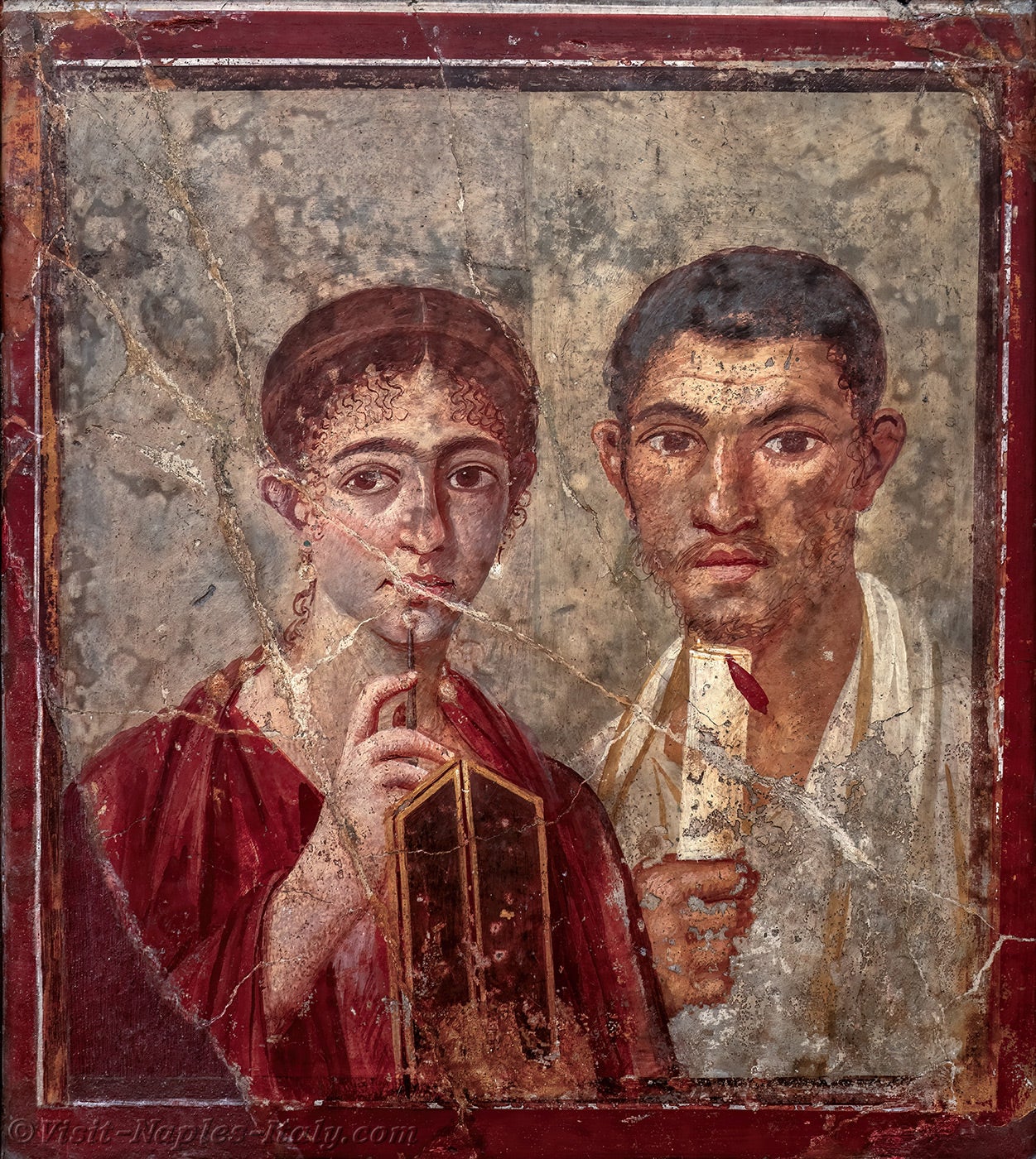
Terentius Neo At that time, when a new house was discovered during excavations, the practice was simply to deposit the spoil from the excavations around the house.
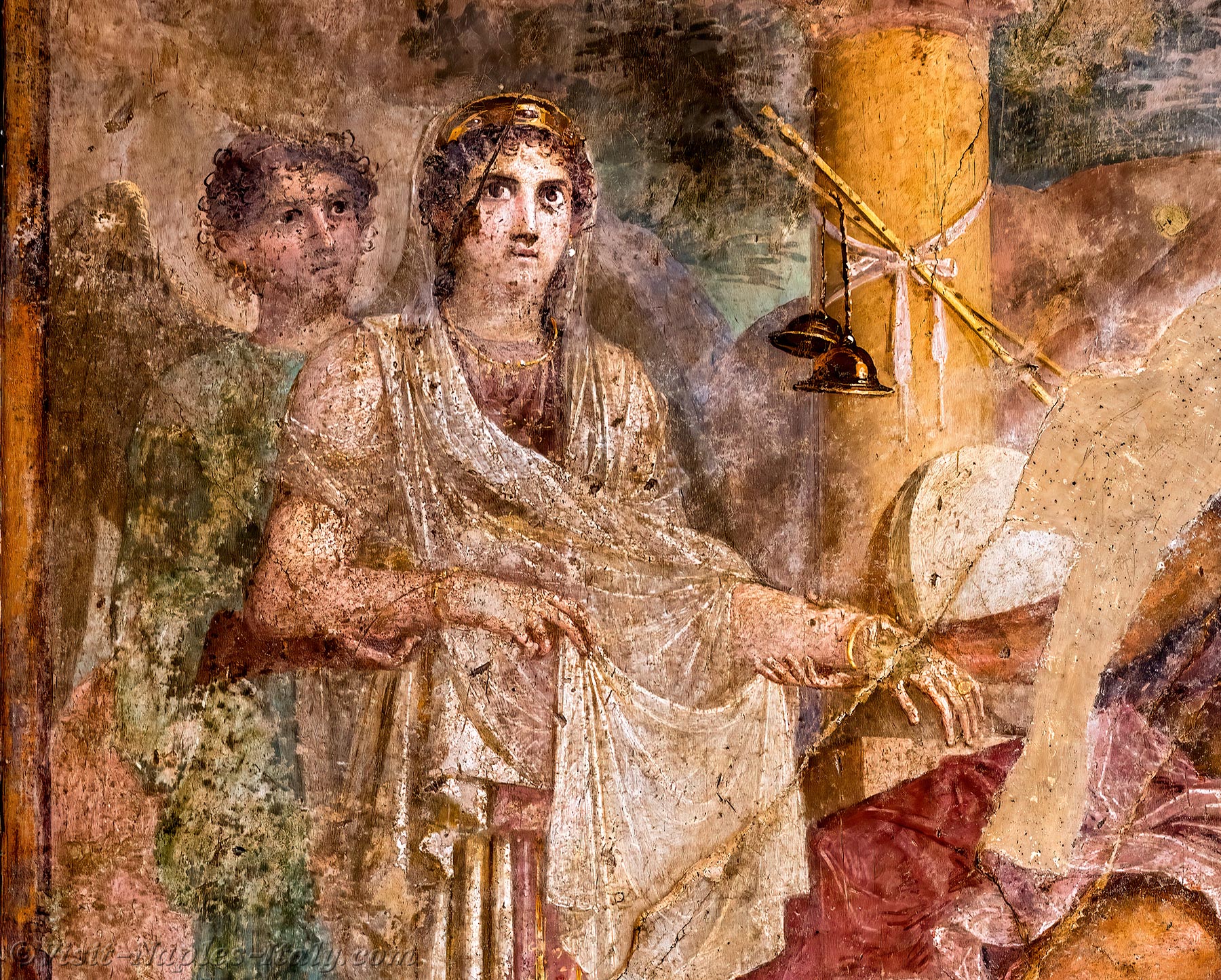
After removing the frescoes from the walls and taking away the sculptures, they were stored in the nearby royal villa in Portici.
Once the excavations of the house were complete, the rubble was unfortunately returned to its original location, due to a lack of technical and financial resources.
The fact is that the royal villa in Portici quickly became too small to store all the finds, so the artefacts housed there were then transported to the Archaeological Museum of Naples.
This makes it today a museum of exceptional richness in terms of the history and art of Roman antiquity, the only place in the world where one can admire the bulk of what was found in Pompeii and Herculaneum.
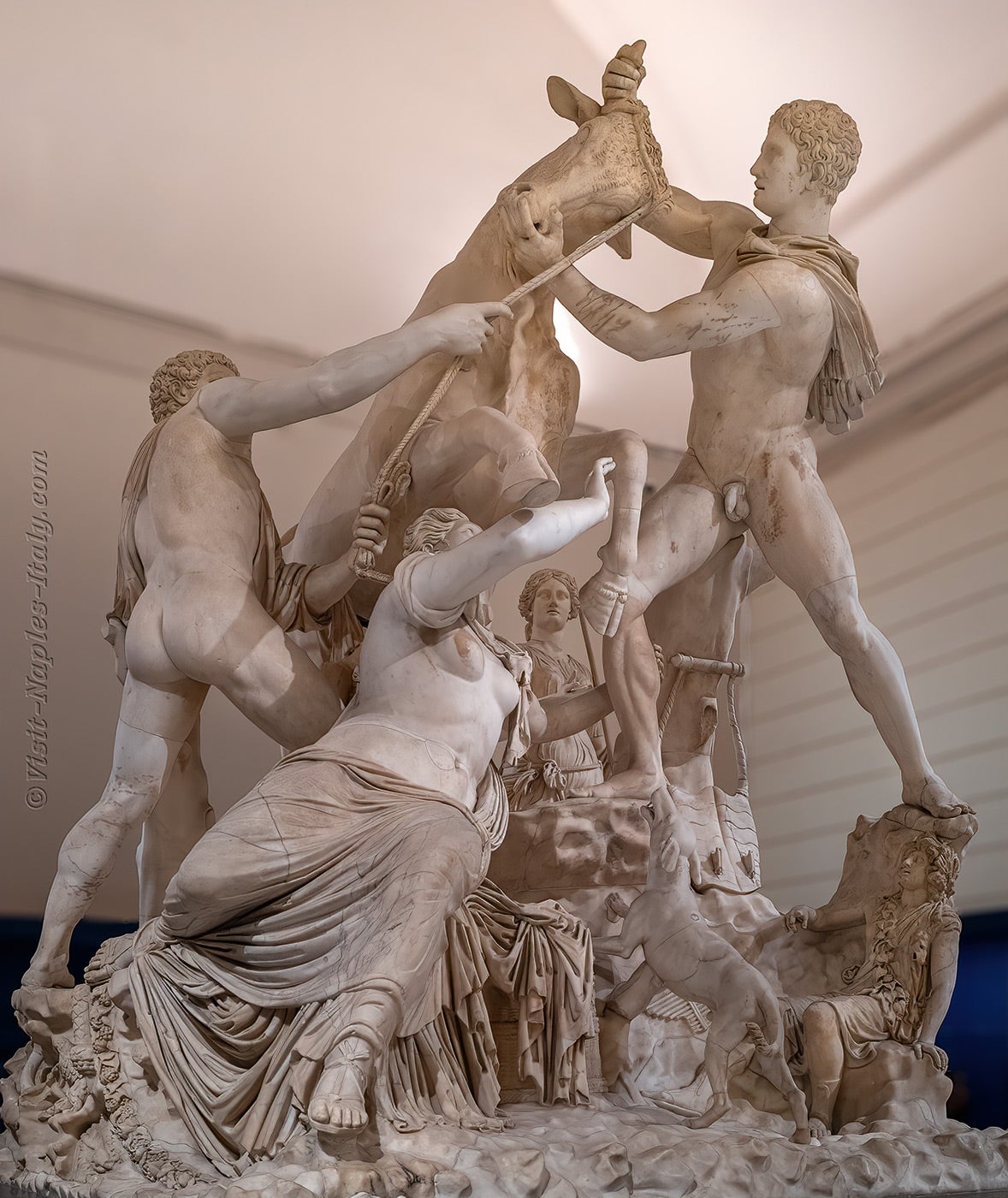
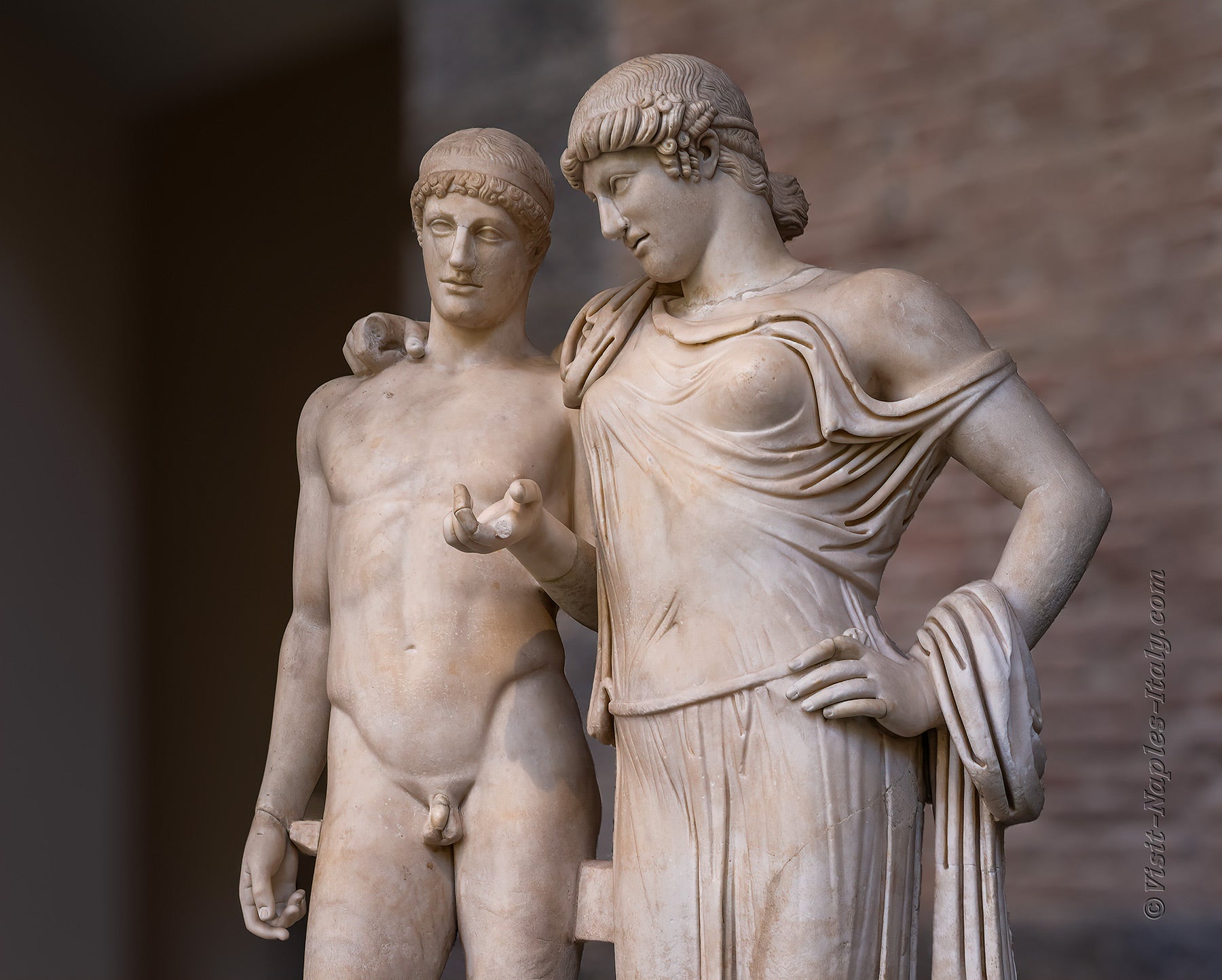
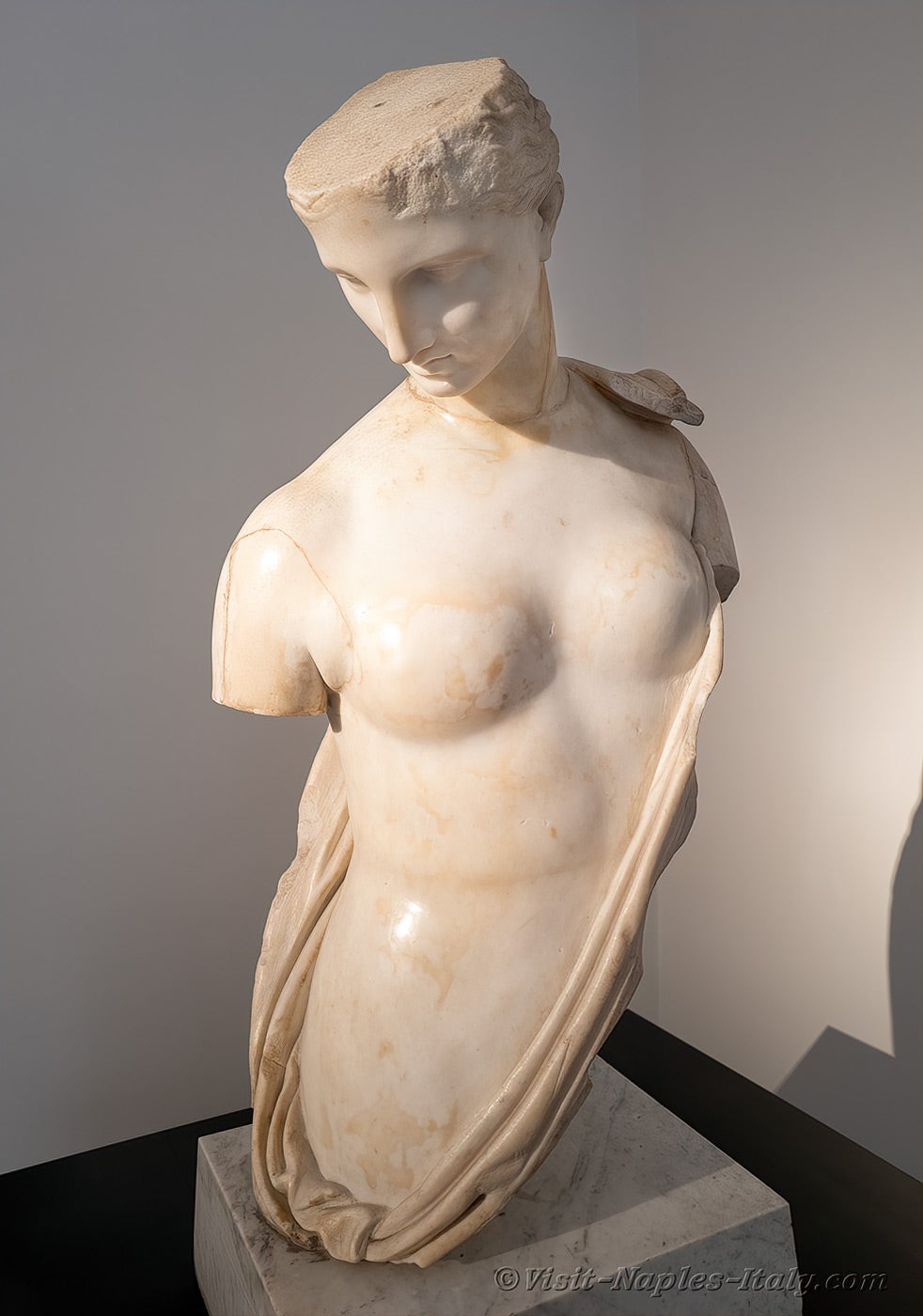
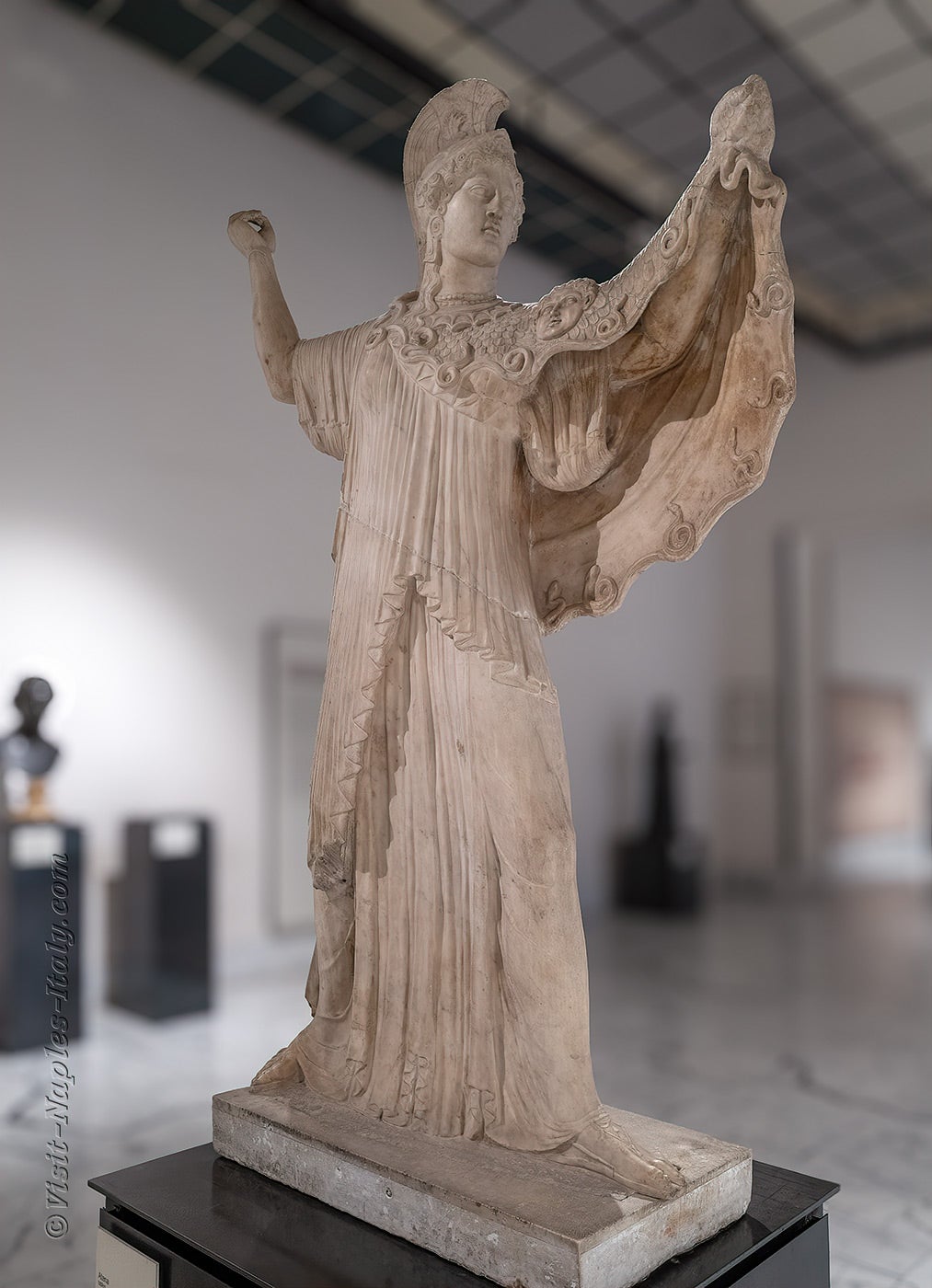
Works of great beauty, to which have been added the sculptures of the famous Farnese Collection, which is one of the most beautiful collections of ancient art.
Artworks Sculptures | Frescoes | Eroticism
MANN Artworks Schedule Tickets Location | Authorizations
Back to Top of Page