

MANN Artworks Schedule Tickets Location | Authorizations
Artworks Sculptures | Frescoes | Eroticism
Eroticism Erotic | Satyr | Brothel | Priapus | Phallus | Pan | Hermafroditus
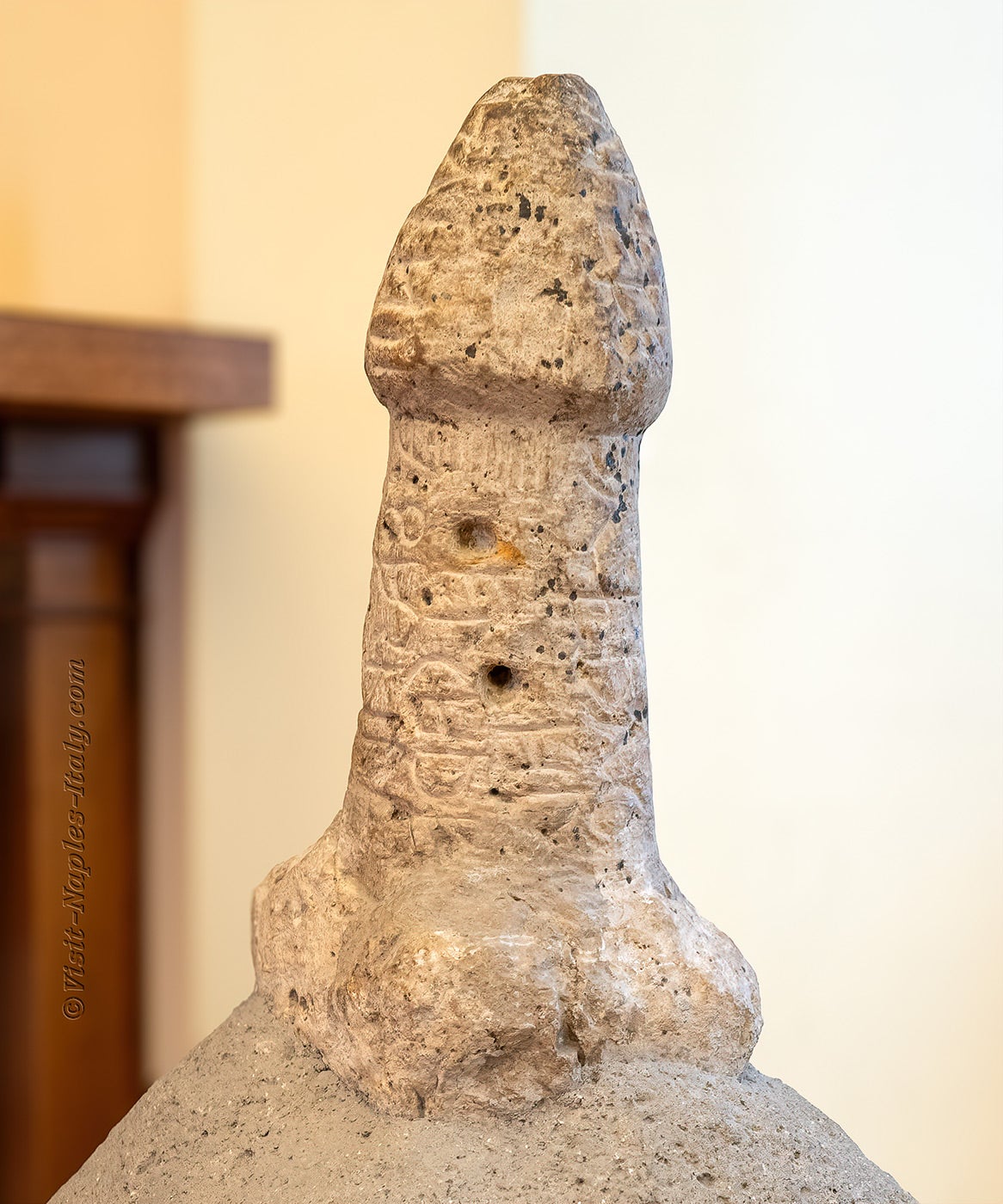
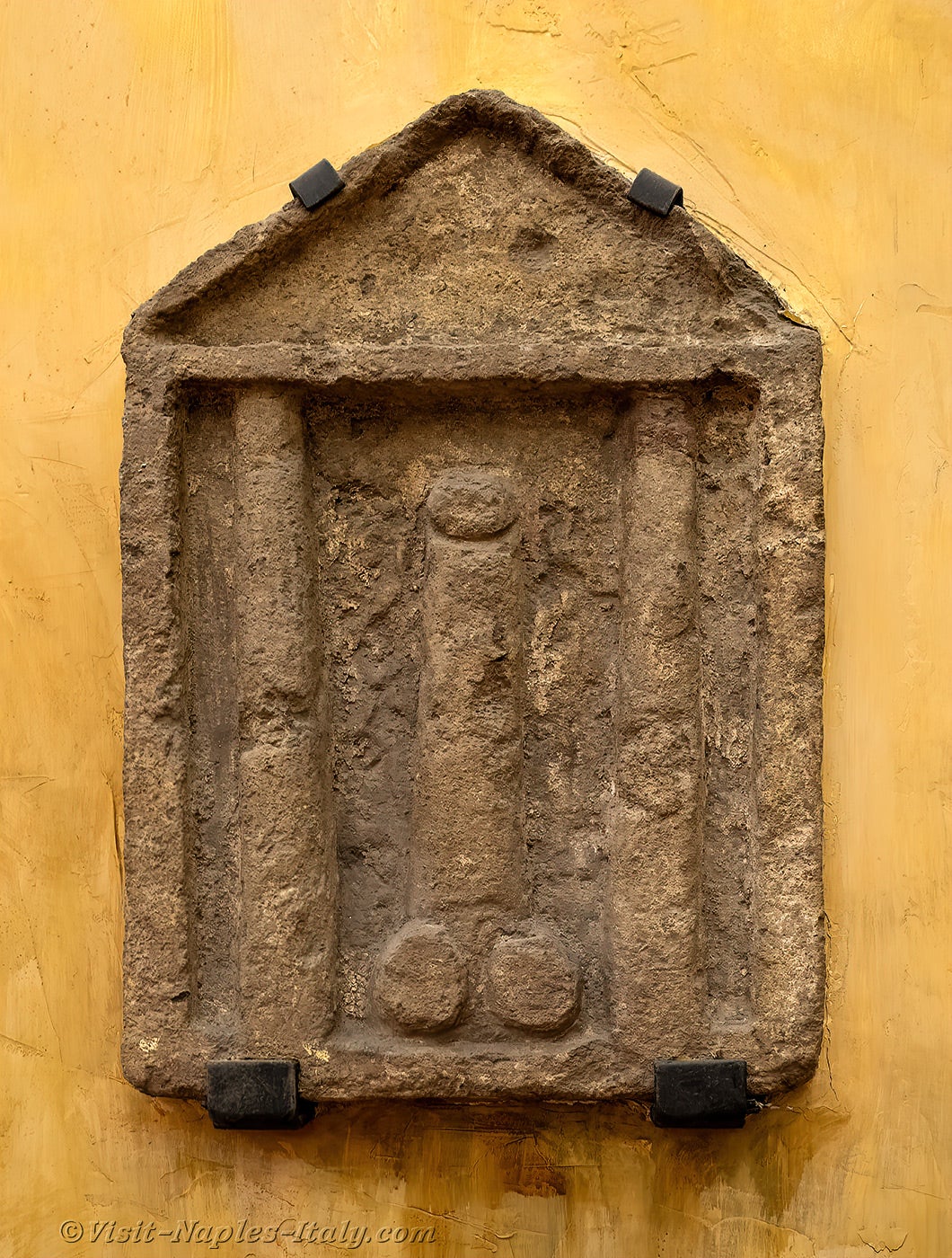
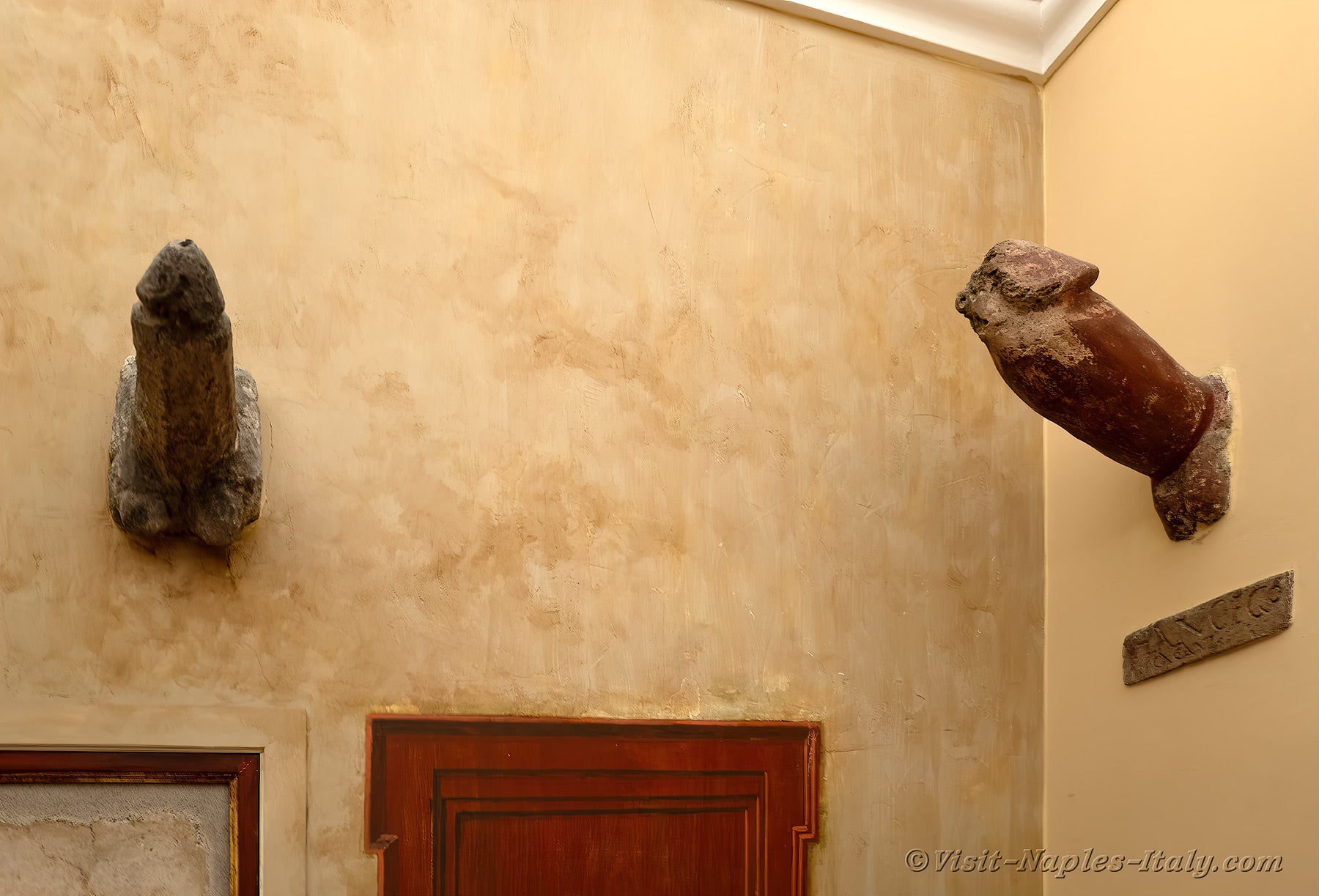
Phallic sculptures from the Erotic Cabinet of the Archaeological Museum of Naples, Italy
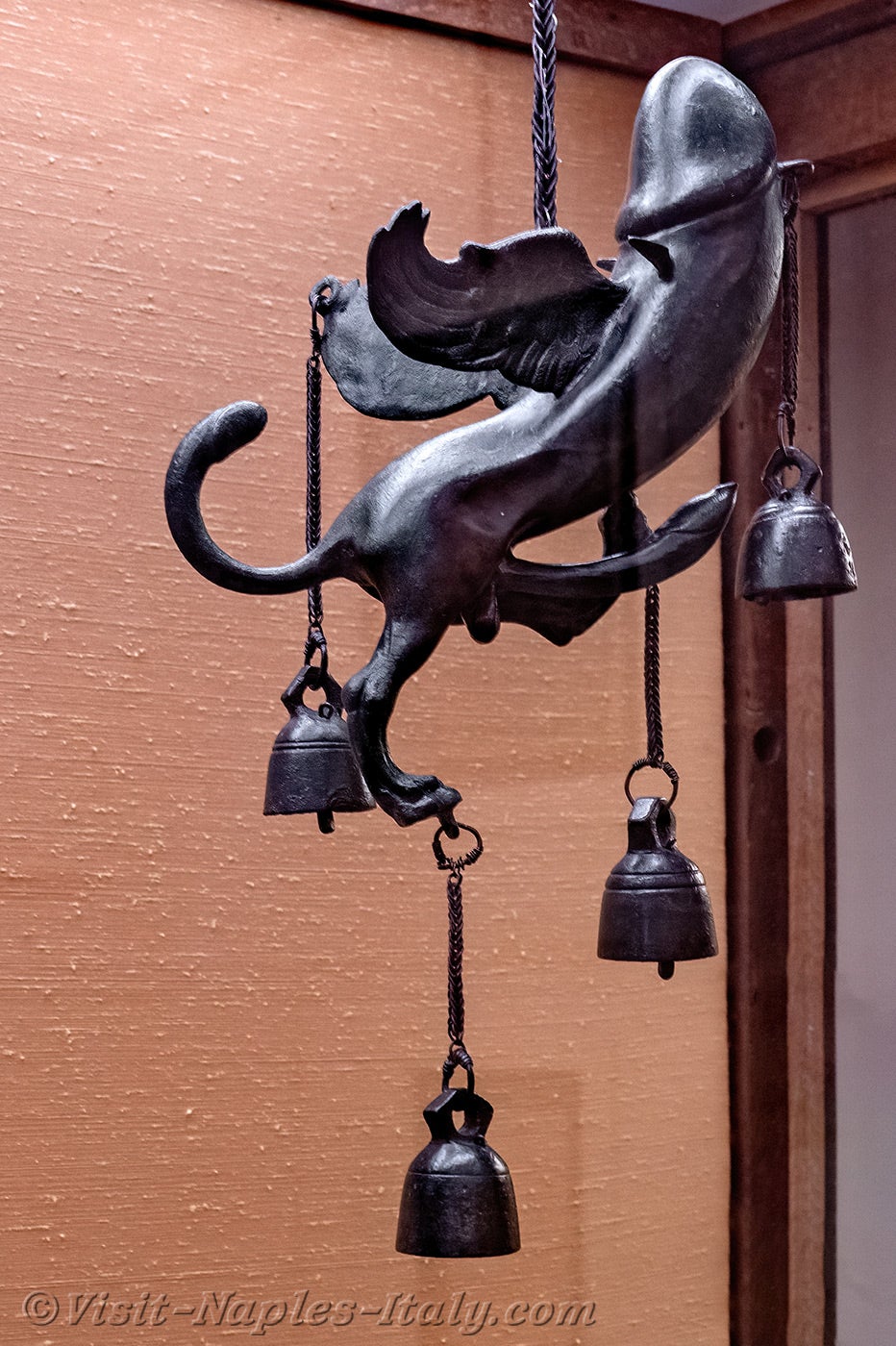
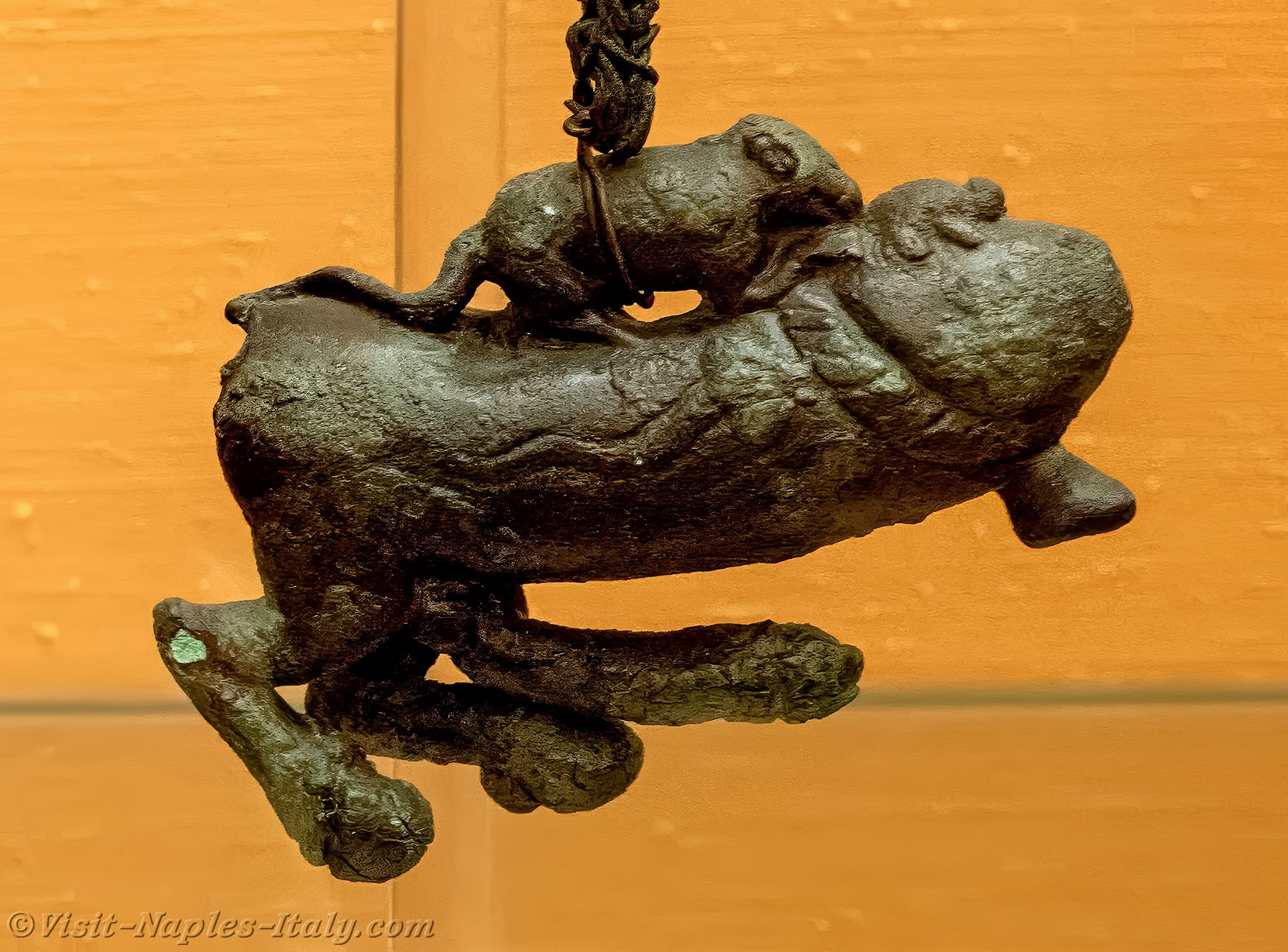
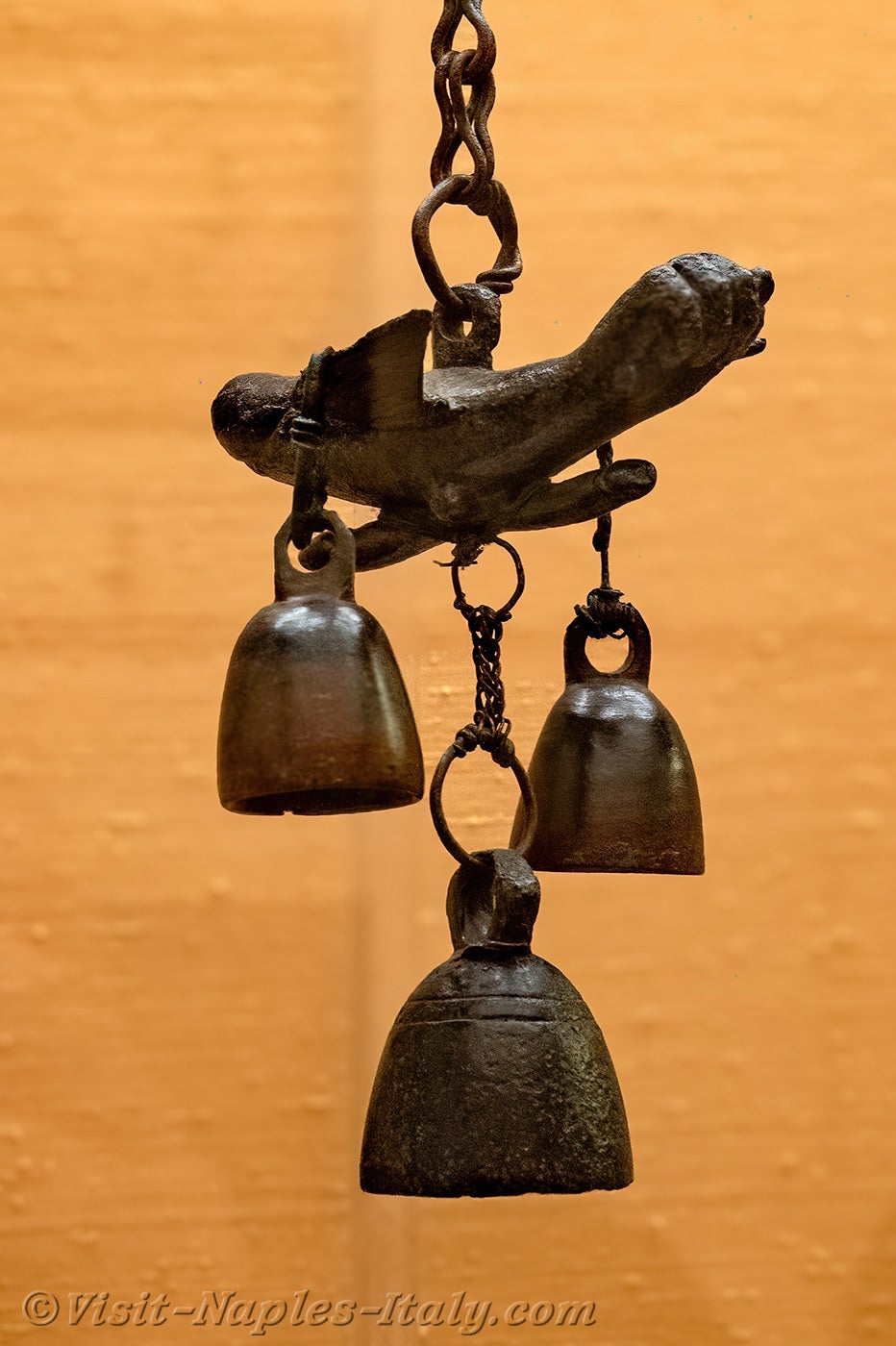
Tintinnabulum, panther-shaped phallus, Herculaneum
Sculpture - Bronze - 1-79 ADThis bronze sculpture was discovered in Herculaneum.
It depicts an armed and helmeted gladiator fighting his own phallus, the tip of which has transformed into a panther that is attacking him.
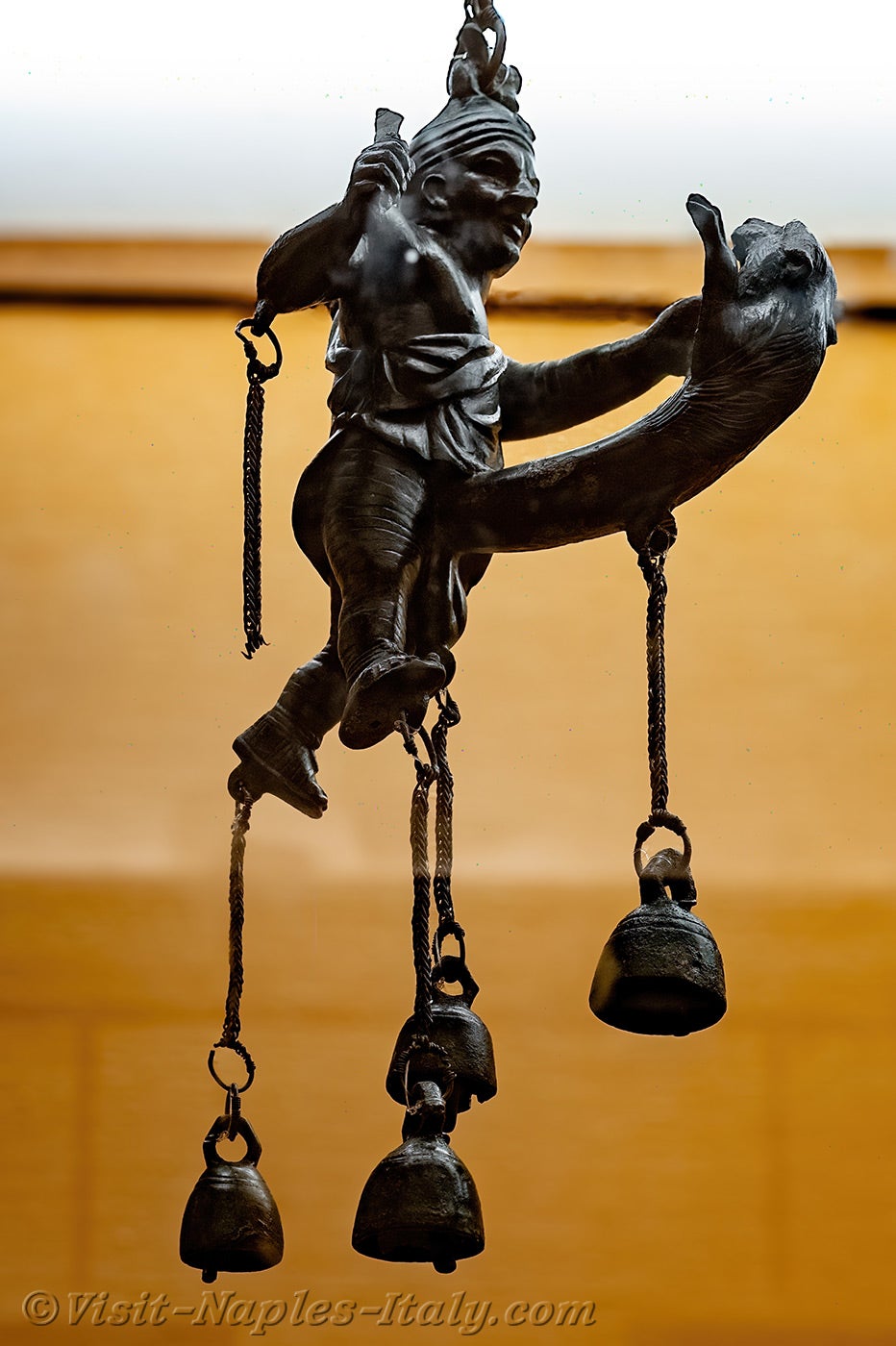
Tintinnabulum, panther-shaped phallus Aside from the grotesque nature of this representation, it's worth remembering that, in Roman times, the phallus played a protective role.
It was used as a talisman to ward off evil spirits.
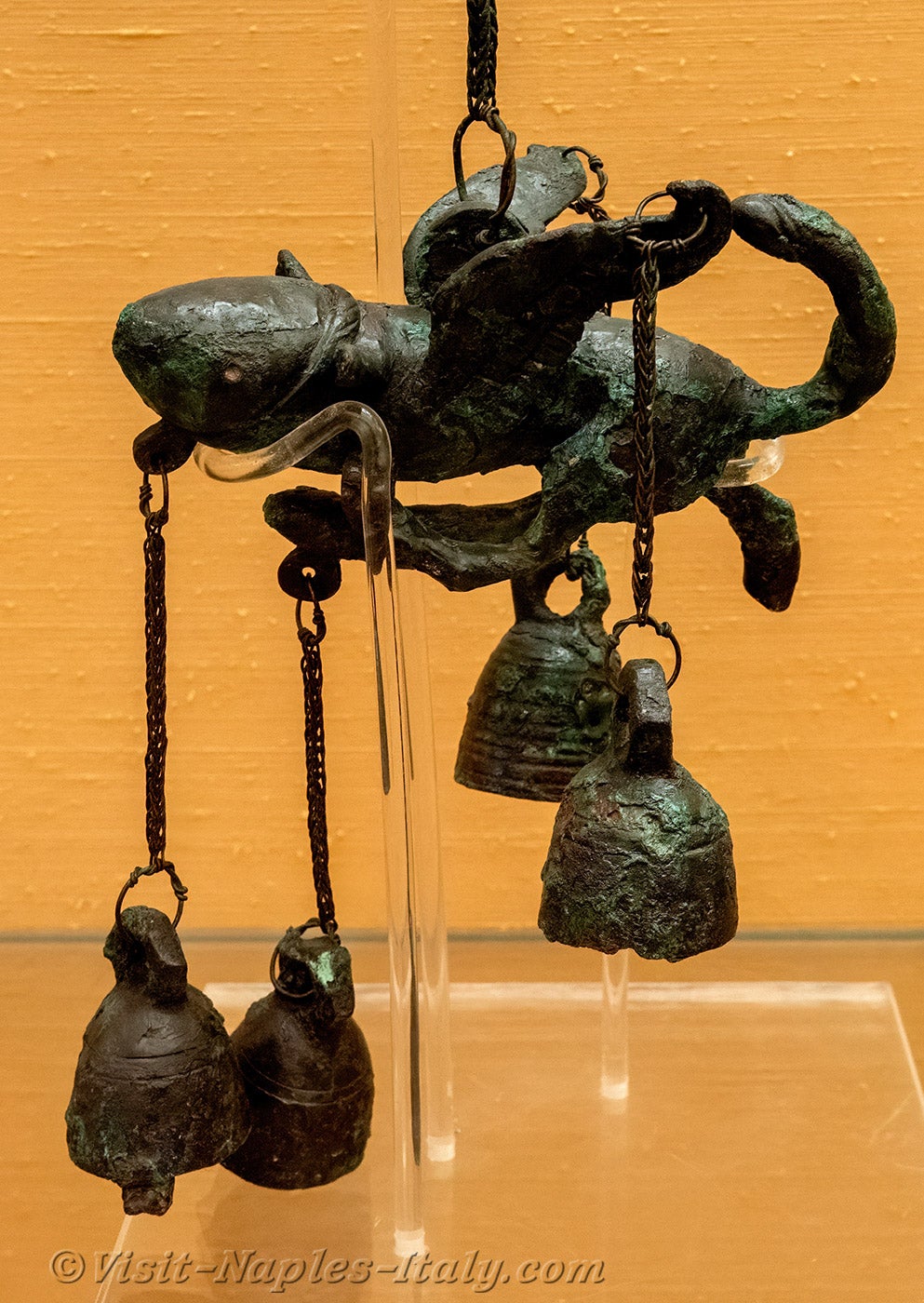
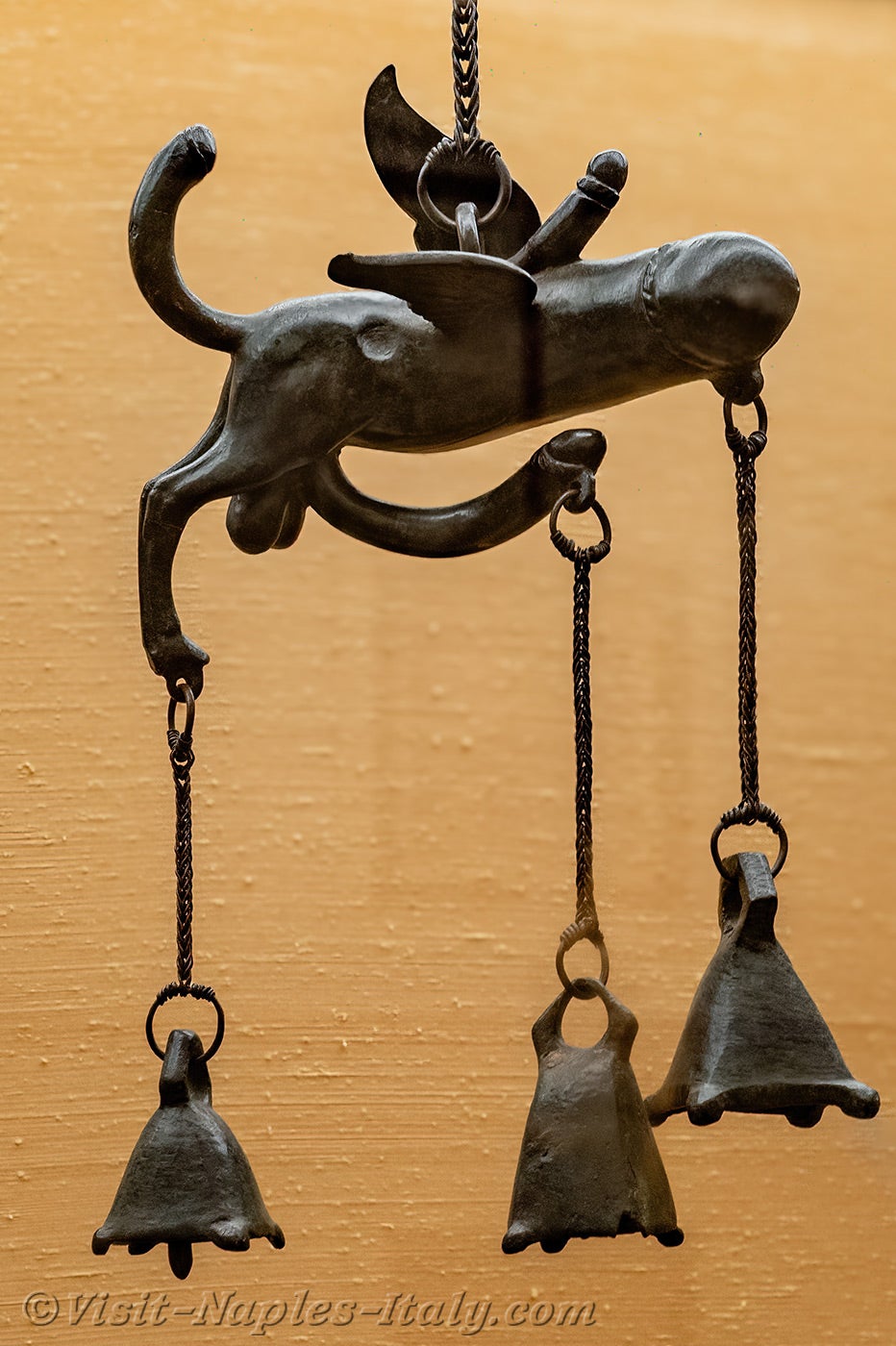
This representation is all the more interesting because it features a “Tintinnabulum”, an object used to protect against evil spells.
It got its name from the bronze bells that hung from it.
The fact that these bells are associated here with this enormous phallus is also to do with the fact that in Roman times, prisoners of war who followed the chariot of the victor were obliged to wear bells.
In addition to the practice of hanging bells around the necks of the vanquished, the tintinnabulum was also employed in shops and residences to announce the arrival of a visitor.
In homes, they were waved to ward off evil spirits or appease the divinities.
Some of these phallus were also votive.
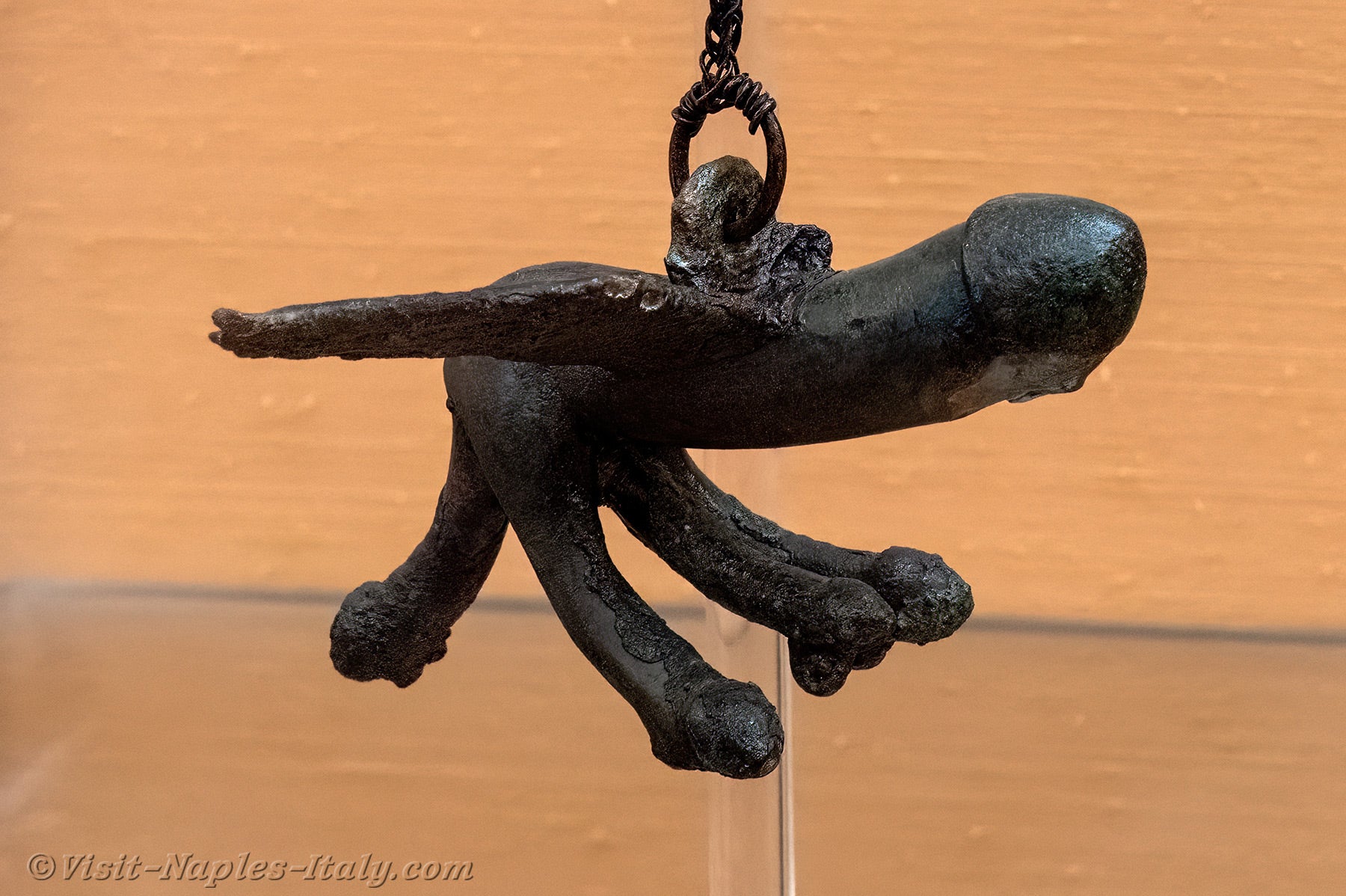
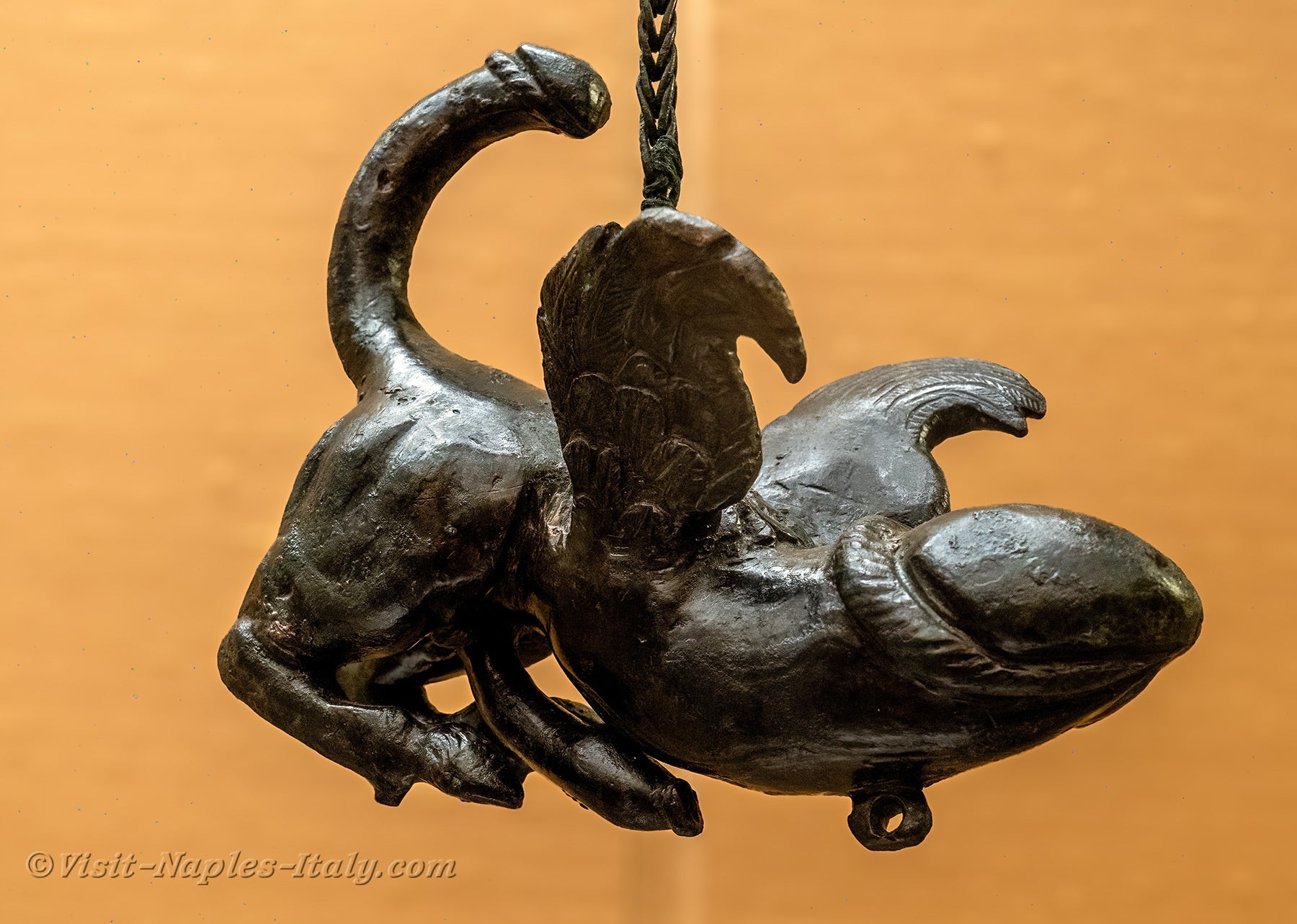
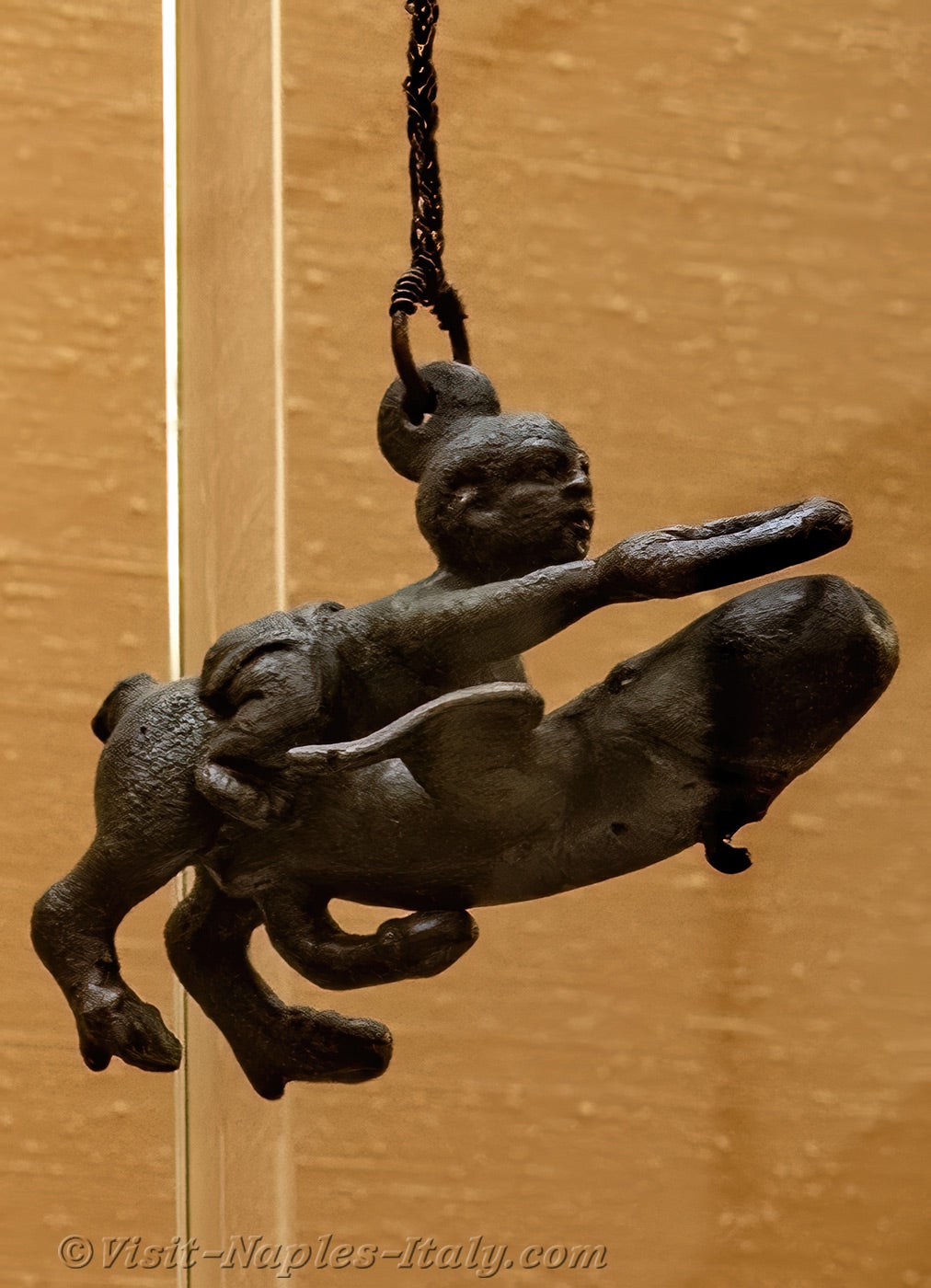
Finally, in the Greek tradition, taken over by the Romans, the male sex was likened to a bird, hence the wings that adorn most phalluses.
Here below, other Tintinnabulum found at Pompeii and Herculaneum.
The symbolism of the phallus among the Romans
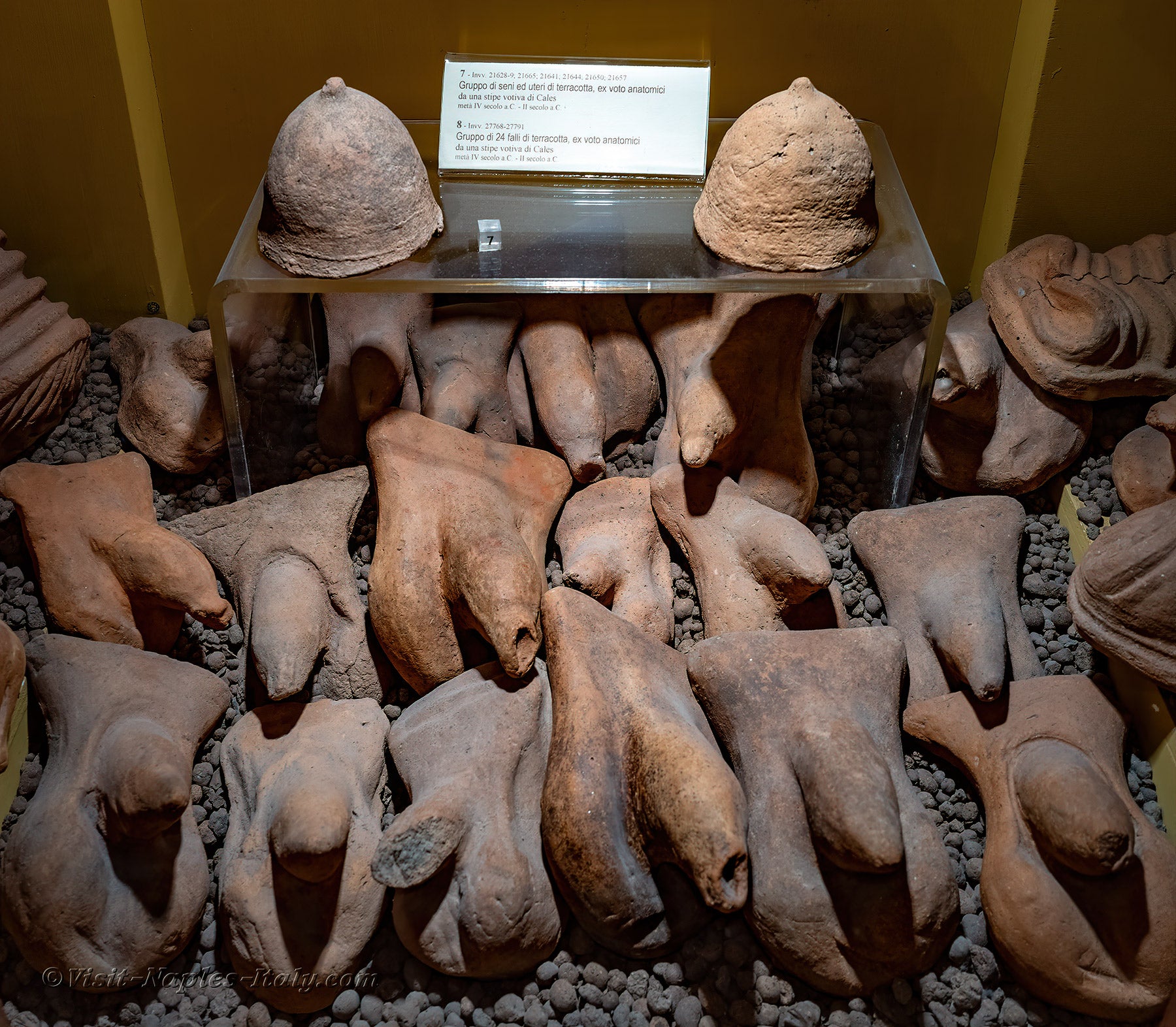
Breasts and penises The phallus has long been considered the source of life.
Indeed, in many cultures, procreation and fertility have become symbols of power and, consequently, worship.
In the civilisations of Egypt, Greece and Rome, the phallus was found on the burial sites of the dead.
It was used as a sign of resurrection, of rebirth.
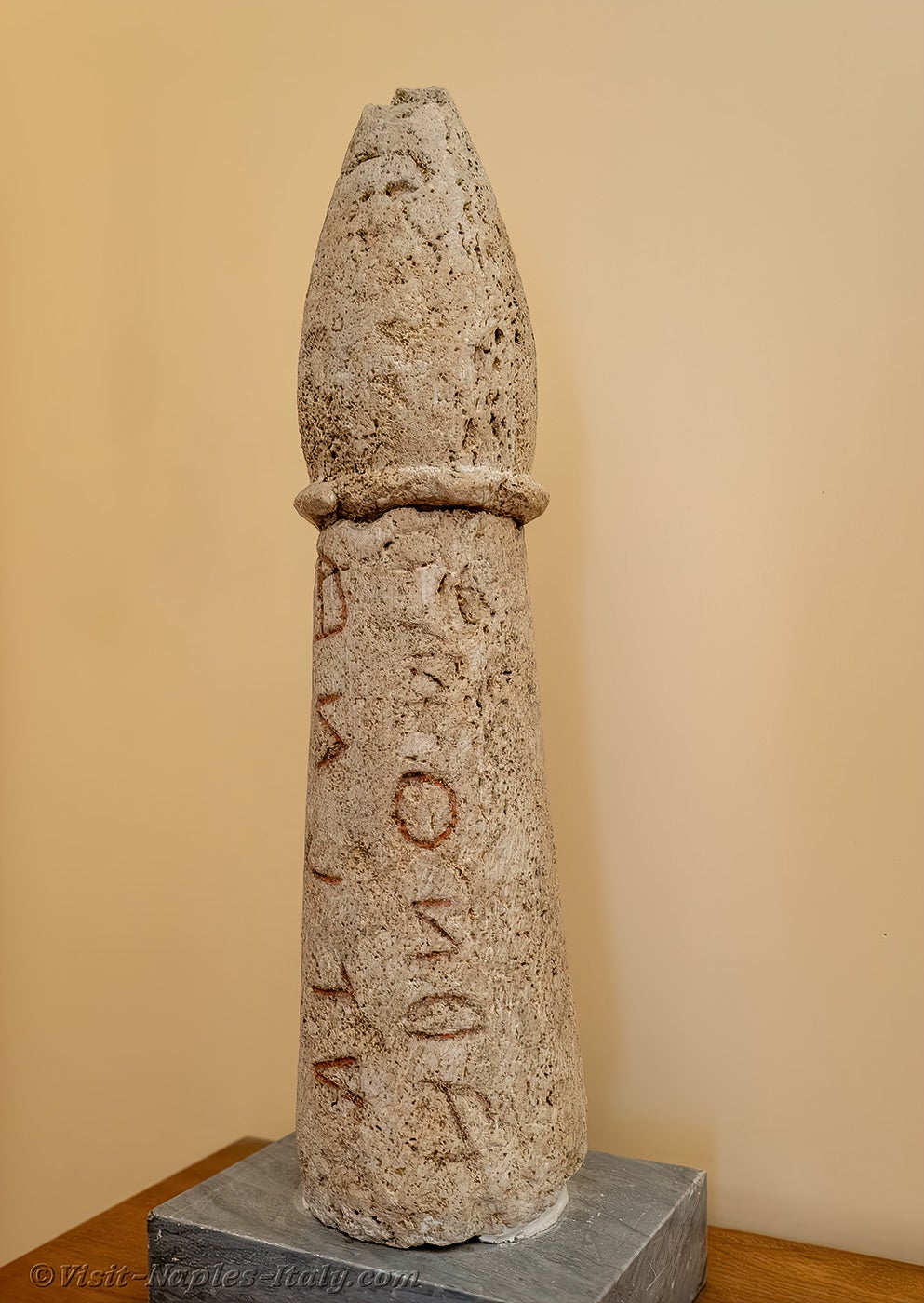
That's why the god Priapus was so highly revered.
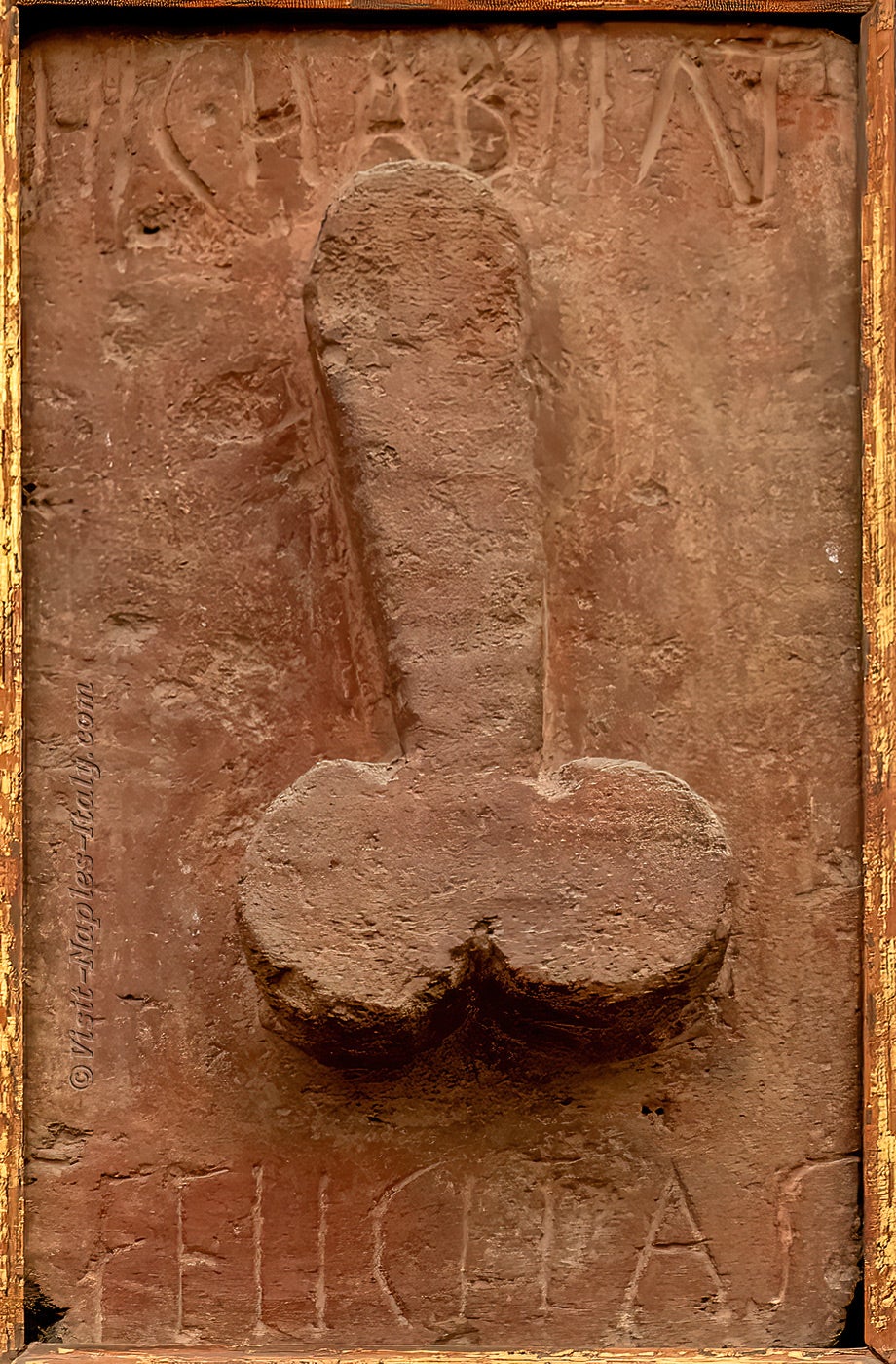
Phallus Hic Habitat Felicitas Priapus was even considered a protector of gardens against thieves.
This explains why his statue has been found in certain properties in Pompeii and Herculaneum.
In both cities, phalluses were found on the walls of homes, on the furnaces of bakers, as well as on the façades of shops.
One of them even bore the inscription “Hic habitat felicitas”, “Here lives happiness”.
This phallus adorned the baker's wall of the Casa di Pansa in Pompeii.
Eroticism Erotic | Satyr | Brothel | Priapus | Phallus | Pan | Hermafroditus
Artworks Sculptures | Frescoes | Eroticism
MANN Artworks Schedule Tickets Location | Authorizations
Back to Top of Page